Southwest Blinds & ShuttersLas Vegas Motorized Shades

Living with motorized shades

What Motorized Shade Movement Should Feel and Sound Like

Motorized shades are designed to move smoothly, but they are not silent and large groups do not always travel in perfect lockstep. The best expectation comes from seeing the exact system work at realistic scale.

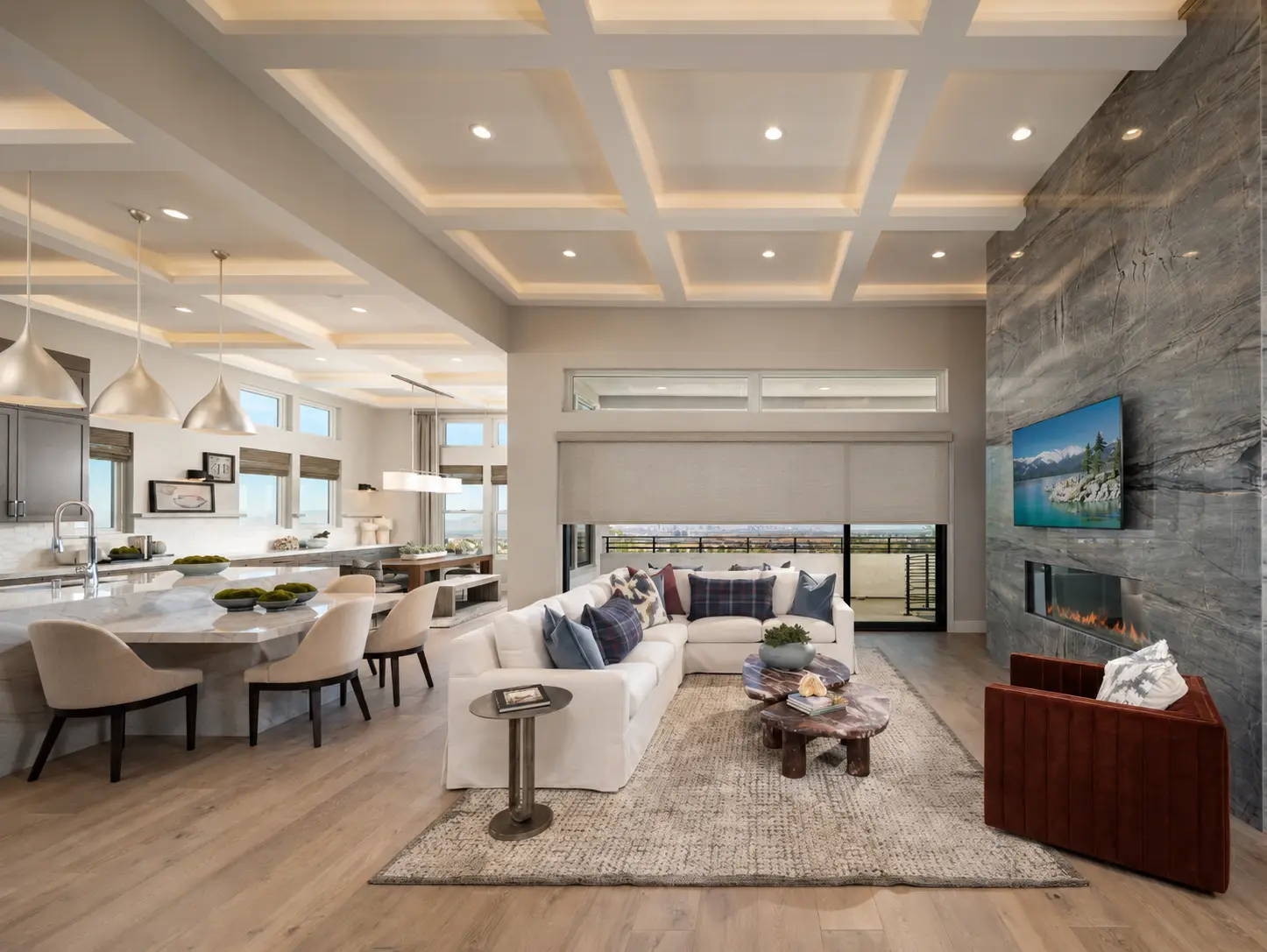
Several motorized roller shades aligned across a great room

A motorized shade should move in a controlled, repeatable way and stop at its programmed limits. It will also make sound. How much you notice depends on the motor, shade size, fabric and hardware, mounting surface, ceiling height, room furnishings, and background noise.

The useful question is not whether a shade is silent. It is whether the selected system sounds and moves appropriately for the room, and whether that behavior stays consistent after installation.

What normal operation may include

You may hear the motor engage, a steady running sound, and a brief change as the shade approaches its limit. A large roller, a compact bedroom shade, and motorized drapery will not sound the same. Hard surfaces and open architecture can make a quiet motor more noticeable than it was in a furnished showroom display.

Speed and stopping depend on the complete system

Motor speed can vary by product and sometimes by load or programmed settings. The bottom rail should travel without repeated hesitation, rubbing, or visible obstruction. Roller fabric should track within the limits expected for the product, but tall narrow shades and changing conditions can require adjustment.

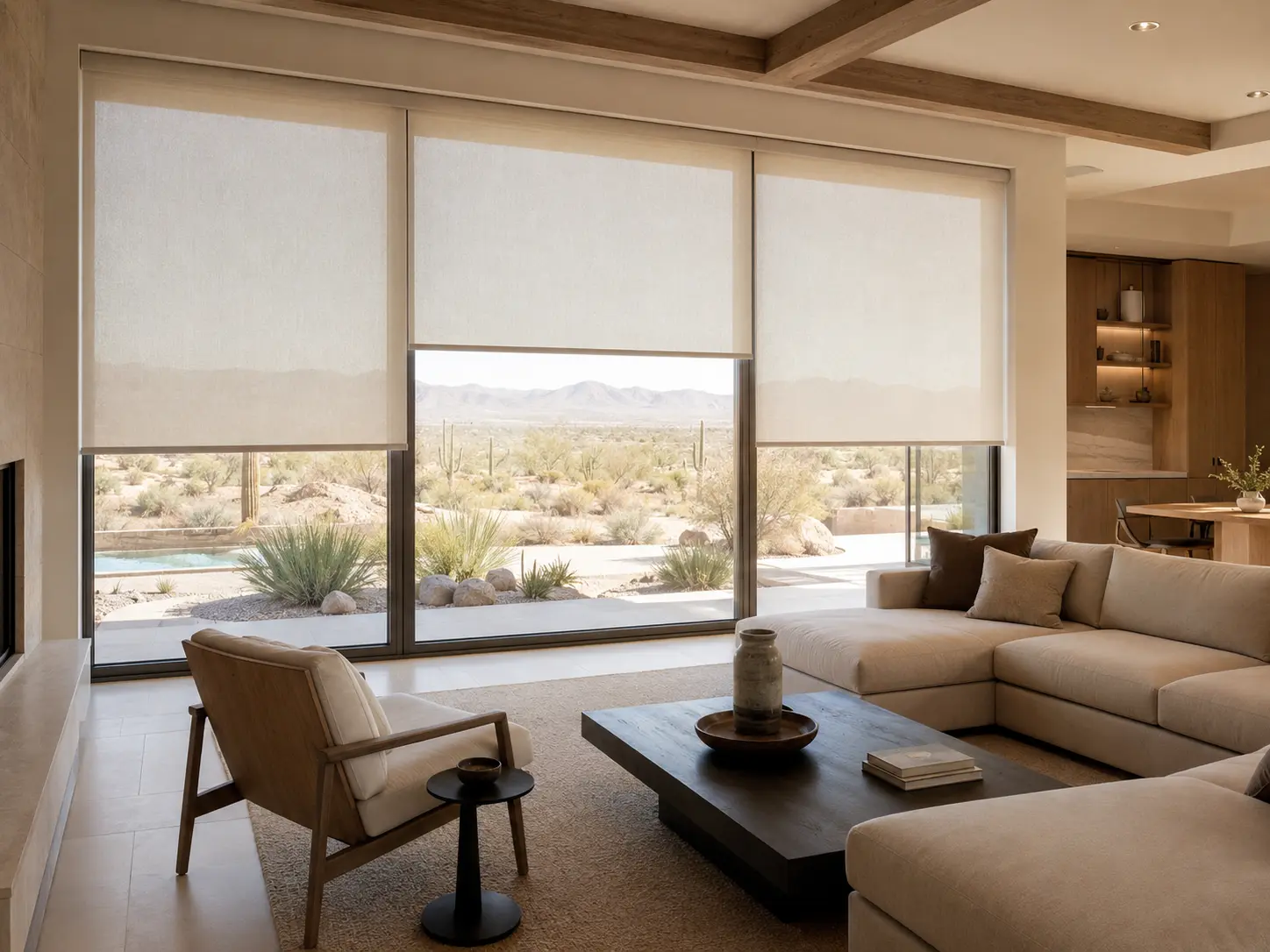
Grouped motorized shades on windows of different heights
Shade size, room acoustics, motor family, and grouped operation all shape what movement looks and sounds like.

A favorite position or lower limit should be repeatable. If a shade begins stopping at a different height, do not pull it into place. Check the documented control and power steps, then ask the installer whether limits or the mechanical path need attention.

Grouped shades may not move in perfect lockstep

When several shades receive one command, small differences in start time, travel speed, fabric roll, or power condition may be visible. Some premium systems are designed for tighter synchronization, while other systems emphasize straightforward group control. Confirm the expected result for the exact motor family.

For adjacent windows where alignment is architecturally important, discuss hem-bar positions, shade sizes, roll direction, power, and control platform before ordering. The visual standard should be defined during design rather than assumed after installation.

Changed sound or movement deserves attention

Stop repeated operation if a shade develops grinding, clicking, scraping, strong vibration, uneven travel, telescoping fabric, a tilted bottom rail, intermittent stopping, or contact with an object. A low charge, changed limit, obstruction, bracket issue, fabric tracking condition, control problem, or motor issue may need to be ruled out.

Remove only obvious obstacles that can be cleared safely. Do not open the motor, loosen brackets, pull the fabric, or force the bottom rail unless the product's instructions specifically direct that step.

How to evaluate movement before buying

  • Operate a full-size display more than once
  • Listen from the seating or sleeping distance that matters in the room
  • Compare one shade with a group command
  • Ask whether speed or synchronization settings are available
  • Confirm expected behavior as battery charge changes, if applicable
  • Review what local service covers if limits, tracking, or sound changes
  • Document the exact motor and control model included in the proposal

See the choices in your home

Good information should make the next conversation more useful.

We will bring the samples, inspect the windows, explain the power and control choices, and give you exact pricing before you decide.

Book a Free Consultation Visit our showrooms