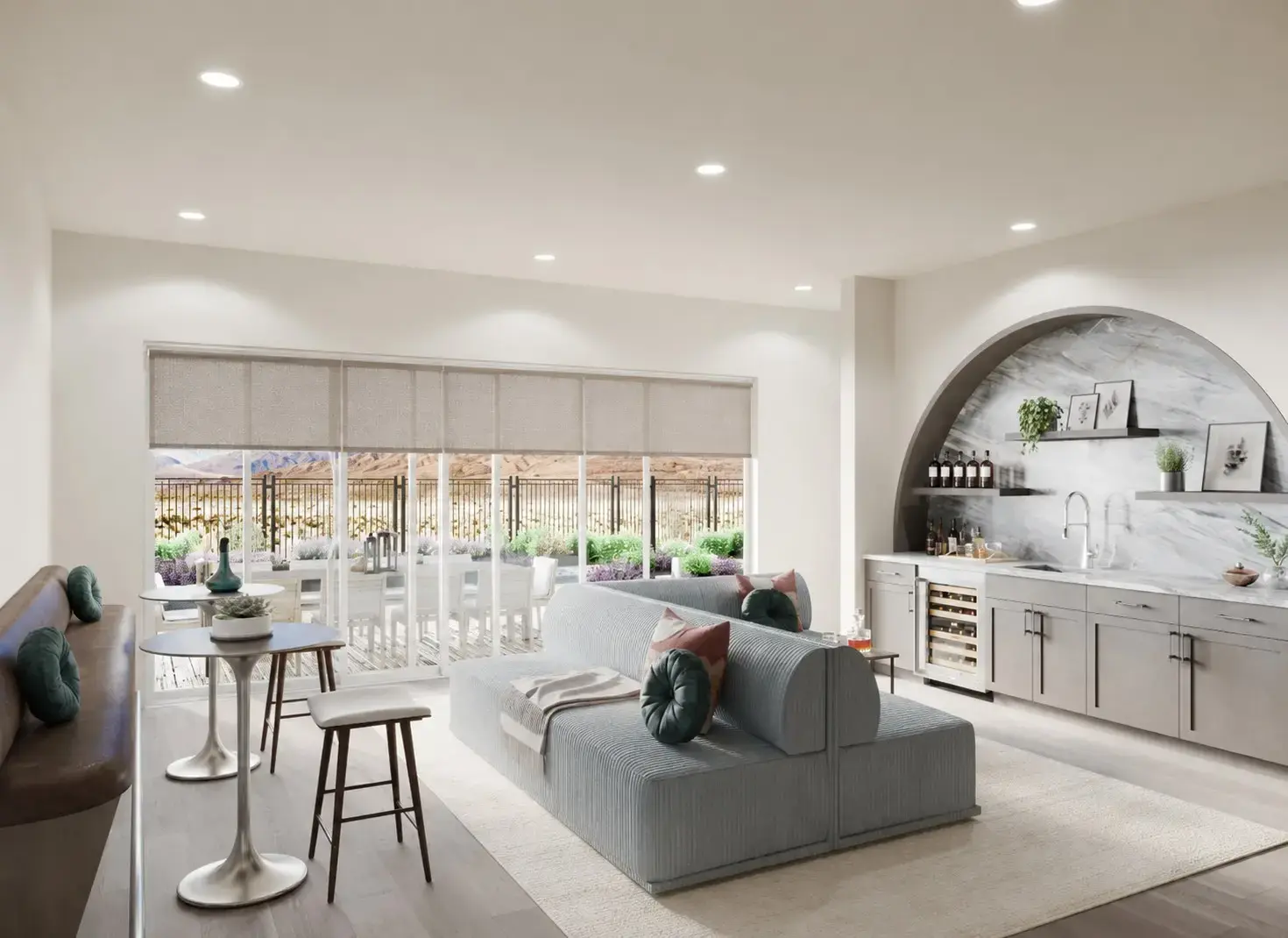
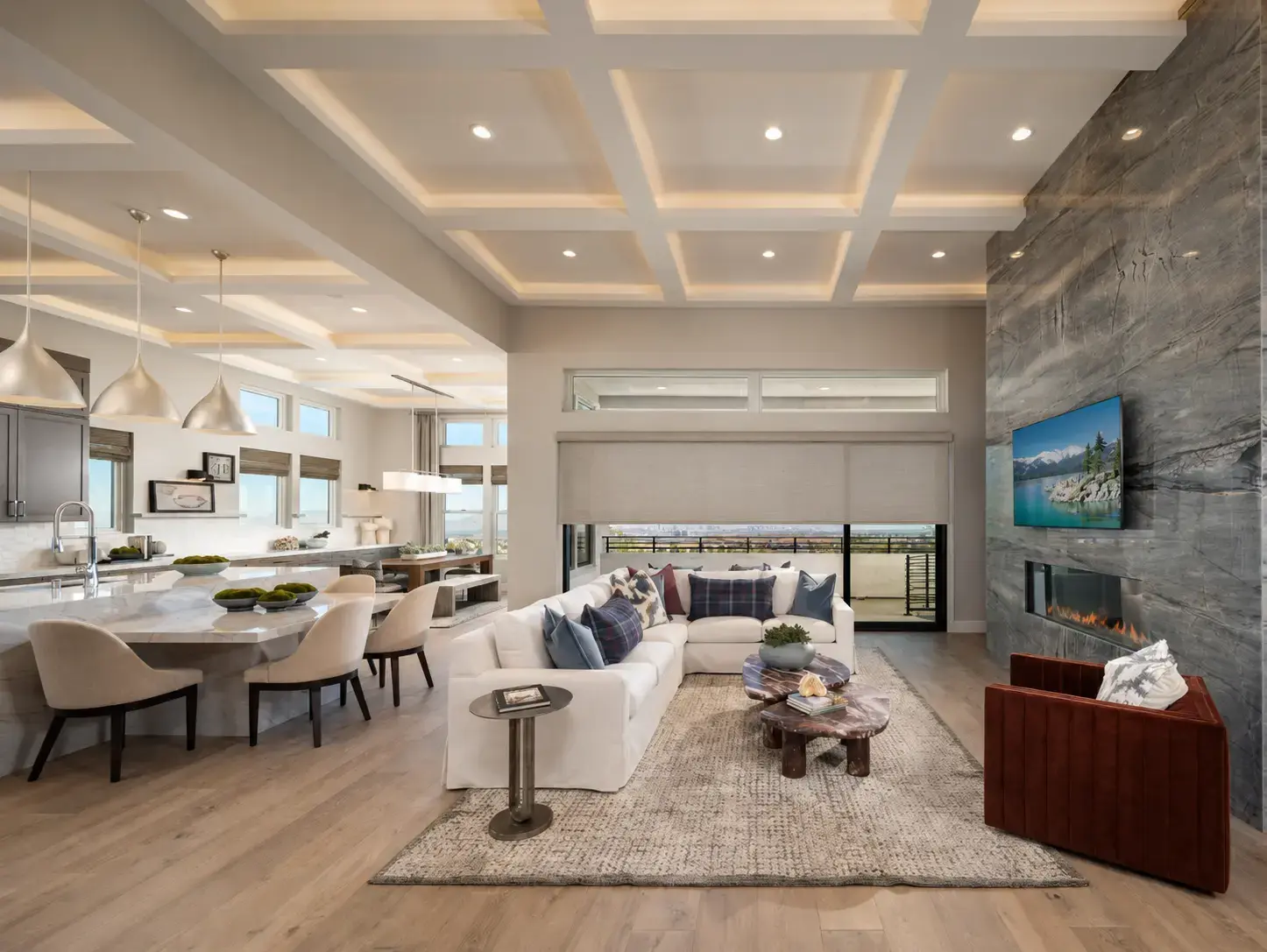
The short answer is that motorized shade projects can range from a few important windows to a fully integrated whole-home system. The more useful answer is understanding what you are paying for, which choices create real value, and where a simpler plan may serve the home just as well.
For current planning purposes, a focused motorized project often falls around $4,500–$9,000. A multi-room or hybrid plan commonly falls around $9,000–$20,000. Larger whole-home or premium integrated projects often begin around $20,000 and can reach $45,000 or more. These are broad project ranges—not quotes, guarantees, or per-window prices.
Why one price per window can be misleading
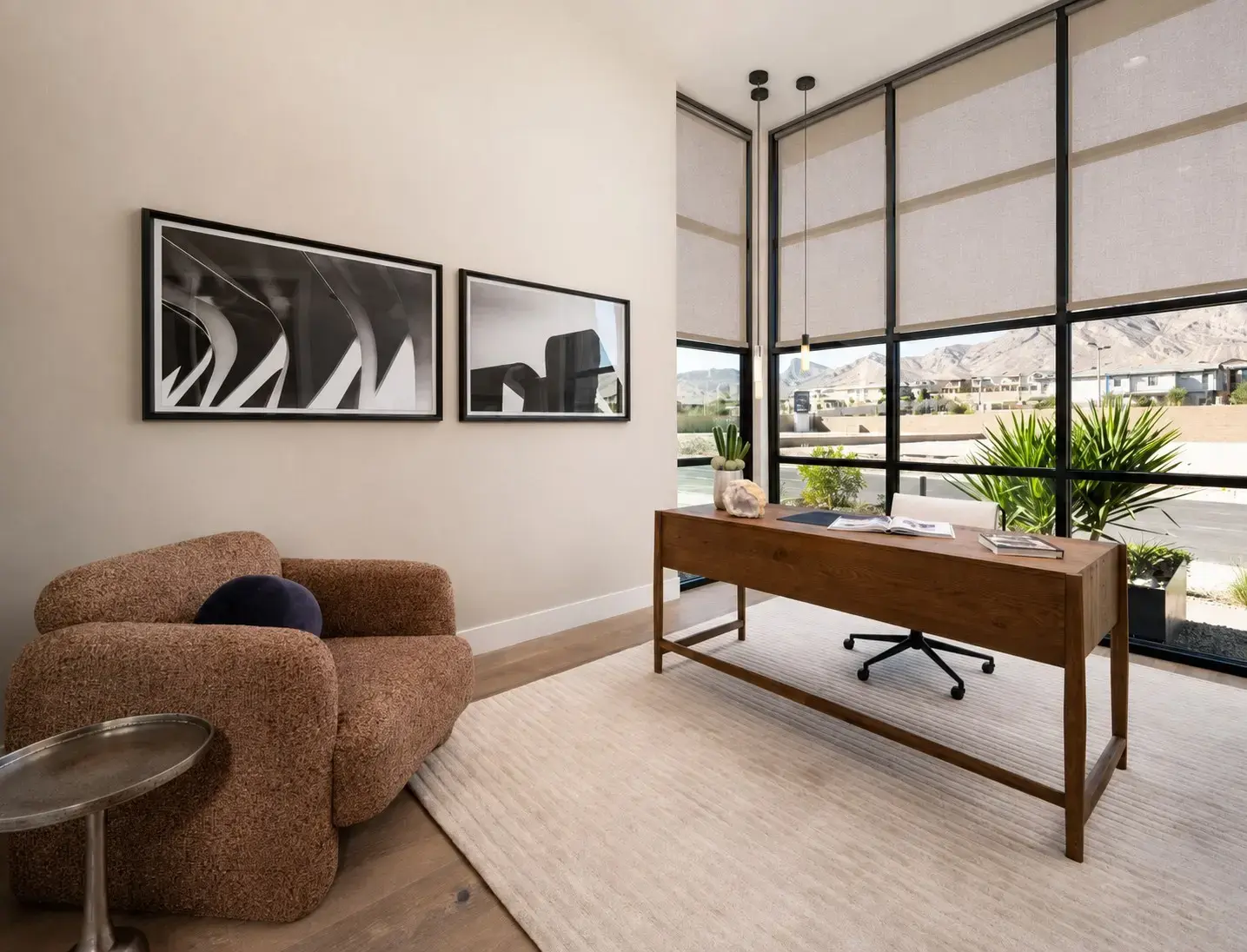
Two windows that look similar in a photograph can require very different shades. Width, height, fabric weight, mounting depth, access, and the finished look all affect the product and motor. A small reachable bedroom window is not the same project as a twelve-foot wall of glass or a shade above a staircase.
The control plan matters too. A dependable handheld remote is a different scope than grouped wall controls, schedules, voice control, or a system that coordinates shades with lighting and the rest of the home.
Three useful ways to think about the project range
A focused project—typically $4,500–$9,000—usually starts with the windows where motorization earns its cost. That may be a great room, primary bedroom, large sliding door, or a group of high windows that are difficult to reach.
A multi-room or hybrid plan—typically $9,000–$20,000—often motorizes the rooms used most and coordinates quality cordless products elsewhere. This can give the home a consistent look without paying for motors in windows that rarely move.
A whole-home or integrated system—often $20,000–$45,000 or more—may include more windows, premium fabrics, large shades, grouped controls, hardwired power, recessed details, dual treatments, or a premium automation platform such as Lutron.
What changes the cost of motorized shades?
- The number, width, and height of the shades
- Roller, cellular, Roman, woven, sheer, zebra, drapery, blind, or shutter construction
- Solar, privacy, room-darkening, decorative, or specialty fabric
- Rechargeable, plug-in, or hardwired power
- Handheld remotes, wall controls, apps, schedules, voice control, or whole-home integration
- Open rolls, cassettes, fascia, side channels, recessed pockets, and other finished details
- Tall windows, difficult access, specialty mounting, and installation conditions
- Dual shades, layered drapery, premium materials, and custom architectural requirements
Where motorization usually creates the most value
We often begin with the windows that are large, hard to reach, used every day, or responsible for the strongest heat, glare, and privacy problems. Those are the places where one button, a schedule, or a coordinated group can noticeably improve the room.
A guest room shade that moves a few times a year may not need the same technology as the great room glass that changes the comfort of the house every afternoon. We do not believe every available feature belongs in every window.
Simple controls can still be the right answer
You do not need a smart home to own motorized shades. For many homeowners, a well-programmed remote or wall control is the easiest and most dependable choice. Apps, voice control, schedules, scenes, and whole-home integration can be valuable, but they should solve a real need rather than add technology for its own sake.
How to keep the project focused without compromising the result
- Motorize the rooms and windows that create the greatest daily benefit.
- Use coordinated cordless shades where a motor adds little value.
- Choose the primary control experience before adding apps and voice layers.
- Plan wiring early during construction or a remodel so finished details do not need to be reopened.
- Compare fabric performance and design at full scale, not only from a small sample.
- Phase the work by room when that creates a better long-term plan.
Why the final price comes after an in-home consultation
We need to see the actual windows before we can responsibly price the project. During the consultation, we measure the openings, review mounting conditions, look at the light and privacy needs, compare fabrics in the room, confirm how the shades will be powered, and decide how you want to control them.
Then we give you the exact scope and price before you decide. The goal is not to keep pricing mysterious. It is to make sure the number represents the right product, the right motor, the right installation, and a system you will be comfortable owning after installation day.